Part 1 · What Does a Proof Do If It Does Not Prove?
Cognitive Objects, Social Capital & Orthodoxy
In 1971, Trevor J. Pinch submitted the article What Does a Proof Do If It Does Not Prove? A Study of the Social Conditions and Metaphysical Divisions Leading to David Bohm and John von Neumann Failing to Communicate in Quantum Physics to the 1971 edition of the Sociology of the Sciences yearbook. The 1971 edition is a compendium of articles aggregated under the title: The Social Production of Scientific Knowledge. [Note: all of the uncited quotes in this section are from Pinch’s paper.]
It may seem strange to discuss intuition and sociology in the same report as interpretations and applications of quantum theory. Certainly physical intuition and sociology are not subjects typically published in physics journals. This specialization is understandable, but in this paper I contend that physicists must consider the nature of physical intuition, sociology and the interpretation of quantum theory as inextricably intertwined. This is because, as we shall see, the “Orthodox” interpretation of quantum mechanics which is taught to students today rose to prominence not through the logical coherence of its ideas but through power politics. It is only by looking at the intellectual battlefields of the past that we can understand the forces that shaped our present thinking. This paper, which seeks to go beyond the accepted physical concepts, must consider the social forces which reified our current physical models. Only by doing this can we sort truly legitimate ideas from the concepts which serve as vehicles of power first, and physical realities second.
“Nearly our entire intellectual education originates from the Greeks. A thorough knowledge of these origins is the indispensable prerequisite for freeing ourselves from their overwhelming influence. To ignore the past is here not merely undesirable, but simply impossible. You need not know of the doctrines and writings of the great masters of antiquity, you need not have heard their names, not the less you are under the spell of their authority. Not only has their influence been passed on by those who took over from them in ancient and in modern times; our entire thinking, the logical categories in which it moves, the linguistic patterns it uses (being therefore dominated by them)—all this is in no small degree an artifact and is, in the main, the product of the great thinkers of antiquity. We must, indeed, investigate this process of becoming in all thoroughness, lest we mistake for primitive what is the result of growth and development, and for natural what is actually artificial.”
Erwin Schrödinger, Erwin Schrödinger: An Introduction to His Writings, p. 110
Einstein makes the same point as Schrödinger:
“I fully agree with you about the significance and educational value of methodology as well as history and philosophy of science. So many people today — and even professional scientists — seem to me like someone who has seen thousands of trees but has never seen a forest. A knowledge of the historic and philosophical background gives that kind of independence from prejudices of his generation from which most scientists are suffering. This independence created by philosophical insight is — in my opinion — the mark of distinction between a mere artisan or specialist and a real seeker after truth.”
Albert Einstein, Letter to Robert A. Thornton, Physics Professor at University of Puerto Rico (7 December 1944)
Early in his essay, Pinch points out “social structures which are seen as interrelated with the cognitive objects… cognitive objects, can be used for the purpose of maintaining particular social structures” (pp. 172–173).
These “cognitive objects” are not as abstract as their name might make you think. They’re really just scientific beliefs, i.e. the adherence to a particular interpretation of quantum mechanics, e.g. the Copenhagen Interpretation. The social structures maintained by them are networks of scientists who derive their social/professional legitimacy through knowledge of some cognitive object.
Pinch discusses this through the example of the Copenhagen interpretation:
“a most extraordinary episode in the development of physics, with the physics elite holding special congresses to decide the interpretation of a theory that was presumably already part of an active research program… It would seem that the construction of the cognitive objective interpretation can be a means for establishing social control… The formalism is considered to be the ‘essence’ of the theory, with the interpretation regarded as a mere appendage which can be attached later.”
Trevor J. Pinch, pp. 176–177
Here we notice a connection to the previous section Intuition in Physics in the emphasis of formalism over physical interpretation. This is a precise inversion of the creative process. John Steinbeck explains this phenomenon in About Ed Ricketts (1950). The following are Steinbeck’s reflections on his conversations with the scientist Ed Ricketts.
“We believed, as we must, that the laws of thought parallel the laws of things… We thought that perhaps our species thrives best and most creatively in a state of semi-anarchy, governed by loose rules and half practiced mores. To this we added the premise that over integration in human groups might parallel the law in paleontology that over armor or over ornamentation are symptoms of decay and disappearance. Indeed we thought, over integration might be the symptom of human decay. We thought there is no creative unit in the human save the individual working alone. In pure creativeness, in art, in music, in mathematics, there are no true collaborations. The creative principle is a lonely and an individual matter. Groups can correlate, investigate and build, but we could not think of any group that has ever created or invented anything. Indeed the first impulse of the group seems to be to destroy the creation and the creator… To preserve itself in safety such a system must destroy or remove all opposition as a danger to itself, but opposition is creative and restriction is non creative. The force that feeds growth is therefore cut off. Now the tendency to integration must constantly increase and this process of integration must destroy all tendencies toward improvisation. Must destroy the habit of creation, since this is sand in the bearings of the system. The system then must, if our speculation is accurate, grind to a slow and heavy stop. Thought and art must be forced to disappear and a weighty traditionalism take its place.”
John Steinbeck, About Ed Ricketts (1950)
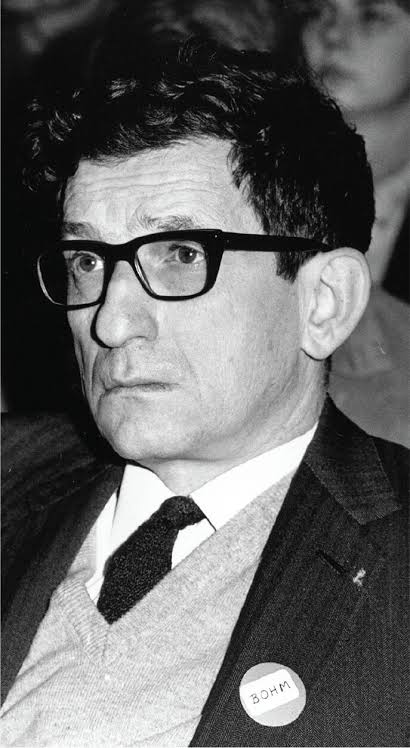
David Bohm articulates the same phenomenon as Steinbeck:
“If all societies have similarly started from a creative perception in the generative order, then how do those of appreciable complexity begin to decay? A basic reason may be that as new knowledge and institutional structures accumulate, they tend to become ever more rigidly fixed. Eventually it seems as if the whole order of society, and the security of each individual, would be endangered if these structures were to be seriously questioned or changed. In order to hold things fixed, therefore, the culture feels itself forced to react in ways that are basically false, for example, by becoming fragmented. In Chapter 1 it was shown that by ignoring the connections of each thing to its whole context, the illusion can be created that the ideas, structures, and institutions that are the dearest can go on indefinitely and unchanged. This fragmentation is itself part of a broader process in which society and culture “defend themselves” against acknowledging the actual facts that call for change. Thus, as pointed out in Chapter 1, the mind is then caught up in the general process of “playing false” in order to create illusion and delusion. This leads society into collusions in order to defend the illusions and delusions. This attitude has also been called “bad faith.” Clearly this process is a breaking down of the basic generative order of the society. Those who see this will call for a fundamental and revolutionary change. But this provokes only fear and hatred because so many people believe that society cannot function in any other way and, for many other reasons as well, do not wish for change. Even in those cases where change is able to take place, it is limited by the very factors that lie behind the original decay in the generative order in the first place. People now become disillusioned by the ultimate and deep failure of their efforts to change. They are lost in despair, or else they entertain false hopes which are essentially based on fantasy. This leads to a further stage in the breaking up of the generative order in which those in authority attempt to establish more and more rigid control in order to prevent further deterioration. But rigidity is ultimately the very source of this deterioration, so things can only get worse in the long run. Indeed the whole process of breakdown is sustained and constantly extended, because all the proposed remedies are actually different forms of the same illness that they aim to cure.
The breakdown in the generative order of society is more than mere decay, which might be regarded as the opposite side to a natural process of growth, in the generative order of society. Rather, the rigidity in the generative order constitutes an extremely pervasive and far-reaching blockage of free play of the mind, and this makes for the constant spread of false play and prevents creativity that could adequately meet this situation. Indeed, as with the individual, to the extent to which society is no longer creative in its basic generative order, it becomes destructive to itself and to everything that it touches.”
David Bohm and F. David Peat, Science, Order, and Creativity (Routledge, 1987), pp. 208–209
Let’s return to Pinch:
“the physicist J.M. Jauch has written that: ‘… The discussions which surrounded the quest for hidden variables in quantum mechanics have, on both sides of the camp, often been conducted in a spirit of aggressiveness which resembles more the defense of orthodoxy of one ideology than a spirit of scientific objectivity.’ The physicist, Ballentine, has referred to the issue as being ‘clouded by emotionalism’… Bourdieu analyzes scientific activity as a competitive struggle with the specific issue at stake being the monopoly of scientific authority… Bourdieu outlines two main investment strategies which scientists can follow to acquire capital. These are succession strategies, which bring a small but ever growing return on capital, by scientists producing limited innovations within authorized limits, and subversion strategies, which are high risk investments which bring a large amount of profit, but will only be successful if a scientist can produce a redefinition of the field… In particular, Bourdieu conceives of modern physics (post Einstein) as requiring high social capital for a scientist to produce a heterodoxy by following a subversion strategy. This is because as science becomes more autonomous the social preconditions for scientific change become increasingly institutionalised within scientific activity. This means that the attempted redefinition can only be achieved by an ‘insider’ who has acquired the necessary capital. However, if a scientist must ‘make his or her name’ before producing a heterodoxy the consequences of the redefinition of the field will be weakened because the scientist will already be dependent on the institutionalised cognitive and social structures.”
Trevor J. Pinch, pp. 178–179
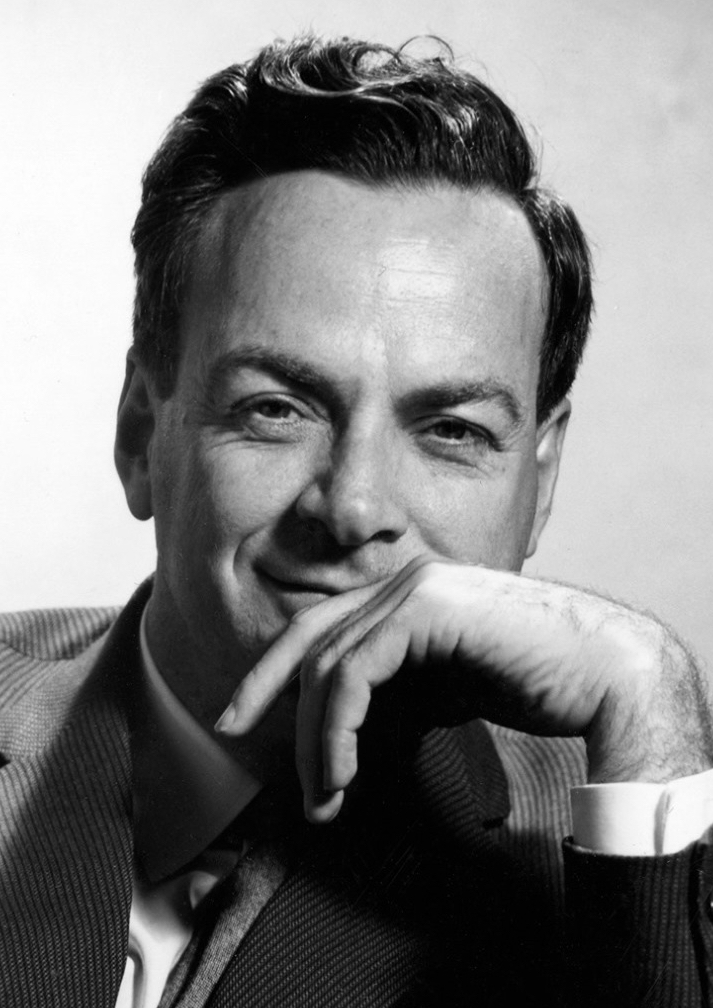
The “high social capital” mentioned by Pinch is a synonym for the “honors” discussed by Feynman in the following:
“When I was in High School, one of the first honors I got was to be a member of the Arista, which is a group of kids who got good grades. Everybody wanted to be a member of the Arista. I discovered that what they did in their meetings was to sit around to discuss who else was worthy to join this wonderful group that we are. OK So we sat around trying to decide who would get to be allowed into this Arista. This kind of thing bothers me psychologically for one or another reason. I don’t understand myself.
Honors, and from that day to this, always bothered me. I had trouble when I became a member of the National Academy of Science, and I had ultimately to resign. Because there was another organization, most of whose time was spent in choosing who was illustrious enough to be allowed to join us in our organization. Including such questions as: ‘we physicists have to stick together because there’s a very good chemist that they’re trying to get in and we haven’t got enough room…’. What’s the matter with chemists? The whole thing was rotten. Because the purpose was mostly to decide who could have this honor. OK? I don’t like honors.”
Richard P. Feynman, The Pleasure of Finding Things Out: The Best Short Works of Richard P. Feynman (Helix Books)
Part 2 · What Does a Proof Do If It Does Not Prove?
Von Neumann’s Proof, Bell’s Refutation & Arithmomania
Pinch’s work on the social structure of power in science is interesting in general but his specific focus on the interpretation of quantum mechanics is of particular interest to this report:
“Bohm’s heterodox interpretation of quantum mechanics was soon under attack. In particular, members of the quantum elite were quick to reject the interpretation… Pauli further claimed that Bohm’s interpretation was ‘metaphysical’ not the only admissible interpretation of quantum mechanics should be based on complementarity… there have never been any criticisms of Bohm’s interpretation showing it to be ‘logically incoherent’ or ‘empirically inadequate’. In other words the normal ways of rejecting knowledge claims were not used in Bohm’s case. Bohm himself has frequently stressed that his interpretation is ‘logically consistent’ and that it can account for the ‘same data’ as the orthodox interpretation.”
Trevor J. Pinch, pp. 182–183
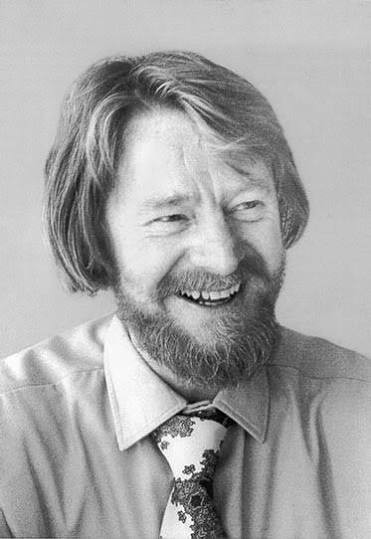
John Bell comments on this state of affairs:
“But why then had Born not told me of this ‘pilot wave’? If only to point out what was wrong with it? Why did von Neumann not consider it? More extraordinarily, why did people go on producing ‘impossibility’ proofs after 1952, and as recently as 1978? When even Pauli, Rosenfeld and Heisenberg could produce no more devastating criticism of Bohm’s version than to brand it as ‘metaphysical’ and ‘ideological’? Why is the pilot wave picture ignored in text books? Should it not be taught, not as the only way, but as an antidote to the prevailing complacency? To show that vagueness, subjectivity, and indeterminism, are not forced on us by experimental facts, but by deliberate theoretical choice?”
John Bell, Speakable and Unspeakable in Quantum Mechanics, p. 160
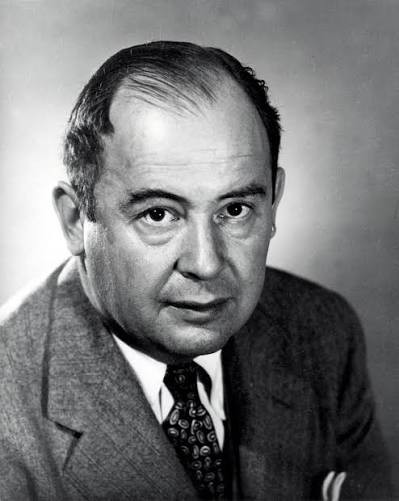
The name of Pinch’s essay, What Does a Proof Do If It Does Not Prove?, arises from the following part of his paper, which we will attend to in a moment. In it, he explains that a mathematical proof by John von Neumann on the foundations of quantum mechanics that seemed to show that quantum mechanics was intrinsically non-deterministic turned out to be based on circular reasoning. Pinch’s title asks the question, what is this proof if it is not a proof? I do not think you will find it surprising that social control is part of the answer. Another theme touched on lightly by Pinch is that of religious belief. Through this lens, we see von Neumann as a priest handing down sacred tenets to his scientist-acolytes.
“The proof was accepted and welcomed by the physics elite and was not challenged for 20 years. For example, Pascual Jordan remarked in 1943 that: ‘there is only one interpretation…’ The degree of success achieved by the proof in preventing ‘hidden variables’ approaches being developed can be gauged from the remarks of the physicist F. J. Belinfante in his recent review of ‘hidden variables’ interpretations (62). Belinfante writes that ‘The truth, however, happens to be that for decades nobody spoke up against von Neumann’s arguments, and that his conclusions were quoted by some as the gospel’ and he goes on to say that ‘… the authority of von Neumann’s over-generalised claim for nearly two decades stifled any progress in the search for hidden-variables theories.’ Von Neumann’s proof was an important objection which Bohm had to overcome in 1952. Bohm has stressed to me that one of the main reasons he put forward his interpretation was to overcome the logical objection that it could not be done… Bohm devotes a section of his 1952 paper to von Neumann’s proof claiming that the proof does not apply to his interpretation because von Neumann had not considered the possibility of ‘hidden variables’ in the measuring apparatus as he himself had done. This reason alone is not enough to show the invalidity of the proof as Bell was able to show in 1966.”
Trevor J. Pinch, pp. 186–187
“Bell found that one of the axioms introduced by von Neumann, to which it was assumed that a ‘hidden variables’ theory must adhere, was in fact an impossible axiom for any ‘hidden variables’ theory… Thus the results of von Neumann’s proof and, as Bell went on to show, Jauch’s and Piron’s proof were assumed in the axioms… That Bell’s refutation has now even become institutionalised in textbooks can be seen from the comments of L. Eisenbud in his textbook, The Conceptual Foundations of Quantum Mechanics. Eisenbud writes in a footnote that: ‘It was shown by von Neumann, with the aid of certain rather general and apparently harmless assumptions, that hidden variables are inconsistent with the results of quantum mechanics. For many years it was believed that his “proof” showed that hidden variables could not exist. But any theorem is no more than an expression of the hidden content of the assumptions on which it is based. With a slight change in von Neumann’s assumptions, J. S. Bell showed that it is possible for hidden variables to be consistent with the statements of quantum mechanics.’”
Trevor J. Pinch, pp. 190–191
“Von Neumann produced a mathematical definition of ‘hidden variables’ in terms of dispersion-free ensembles — dispersion-free meaning that the variables exhibit no statistical spread. Having defined ‘hidden variables’ he next postulated five axioms from which the statistical results of the quantum theory could be derived via a statistical matrix. One of these axioms was a mathematical condition on the way in which dispersion-free ensembles or dispersive ensembles were combined together. Von Neumann then showed that ‘hidden variables’ could not exist because he could derive no dispersion-free ensembles that could reproduce the statistical results of the quantum theory.”
Trevor J. Pinch, p. 195
“the concept of arithmomorphism introduced by Georgescu-Roegen in his book, The Entropy Law and the Economic Process. Arithmomorphic concepts are concepts that are amenable to logical (in the narrow Aristotelian sense) sifting. Georgescu-Roegen argues that logic can only handle a restricted class of concepts, that is arithmomorphic concepts. This is because ‘every one of them is as discretely distinct as a single number in relation to the infinity of all others’. In introducing the notion of arithmomorphic concepts, that is concepts which are logically discrete and additive, he is particularly interested in distinguishing such concepts from dialectical concepts, that is concepts which emphasise forms and qualities. Dialectical concepts are specifically defined as concepts which violate the Principle of Contradiction ‘B cannot be both A and not-A’. He argues that dialectical concepts are as relevant to science as arithmomorphic concepts and that the barring of dialectical concepts from science leads to a situation of ‘empty axiomatisation’ and ‘arithmomania’.”
Trevor J. Pinch, p. 202
“In particular I would like to consider the role of authority structures in the official-history mode of articulation. Official history seems to me to have two important aspects to it: firstly it legitimises the past investments of scientists and secondly it provides the rationalisation for allocating resources to present areas of concern. It is the first aspect of official history which seems to have been important in the case of Bohm. The attacks on Bohm by the quantum elite can be regarded as part of what Bourdieu calls the conservationist strategy to be followed by the elite to ensure continual return on their investments. Bohm, by advocating a heterodox interpretation, was challenging the elite’s authority by questioning the legitimacy of their previous investments in the interpretation of quantum theory. The official-history mode articulation of von Neumann’s proof can be regarded then as an attempt to maintain a particular authority structure. Authority structures in science are closely related to metaphysical commitments and the particular authority of von Neumann’s proof, I think, lies in the commitment generally in physics to arithmomorphism… the more abstract and arithmomorphic the object the more authority it commands.”
Trevor J. Pinch, pp. 206–207
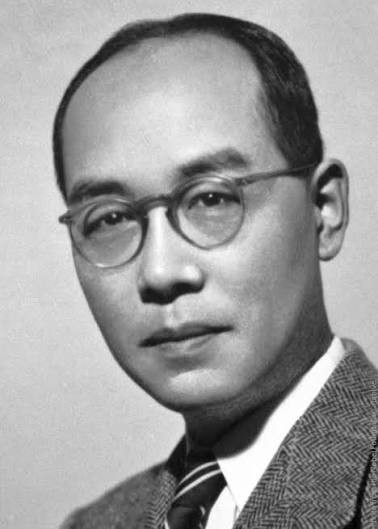
Yukawa comments on the dangers of arithmomania:
“A tremendous number of learned papers on physics has been published since his day, yet physics nowadays is lacking in effective attempts to widen and deepen its perception of nature (a phrase I’m fond of using) and to find some unity in it… a fearful one-way trend towards abstraction. Terms such as ‘facts’ and ‘laws’ sound harmless enough, but in practice laws nowadays seem to be confined to formidably abstract mathematical formulae. The facts themselves, too, have increasingly become facts that are only realized under certain very special circumstances. Take cosmic rays, for example—they contain certain particles that are extremely few in number but have enormous energy. Such things have become important because it’s in them that one is liable to discover new facts. Alternatively one builds a huge particle accelerator. The new facts discovered through its use then assume great importance. Either way, we are getting farther and farther away from the human world. Actually, there are not so many new facts. You come across them only rarely. Only the physicists make great efforts to find them and compare them with the theories to test whether the latter are correct or not. And these theories have become so terribly abstract, so abstract that one begins to have doubts about their significance. If one is concerned exclusively with such things, then for what purpose precisely is one engaged in theoretical physics, in fundamental physics?… To set up increasingly massive equipment, or to use ever more efficient computers has no significance in itself. The essential significance lies not in these things themselves, but in the attempt to expand and deepen our view of the world—to put it differently, to get back to natural philosophy, to get at the innermost depths of the mind. Without that, my attachment to physics is pointless. It is precisely because that may be possible that I am studying physics.”
Hideki Yukawa (1973), Creativity and Intuition: A Physicist Looks at East and West (J. Bester, Trans.), Kodansha International, pp. 46–48
Yukawa continues:
“This trend of abstraction has gone to extremes during the last twenty years. The probability amplitude, which is a complex number and which does not correspond directly with any intuitive image, has become almighty or something absolute to most theoretical physicists today. Thus, to some physicists of the younger generation, theoretical physics is reduced to the mathematics of complex functions of complex variables supplemented by mathematics of abstract groups. I do not deny that further and further abstraction on our part may be necessary when we go deeper and deeper in pursuit of nature. Nevertheless, I feel very uneasy about the fact that this one-sided trend to abstraction lacks something which is very important to creative thinking. However far we go away from the world of daily life, abstraction cannot work by itself, but has to be accompanied by intuition or imagination. Einstein had a lofty imagination about our space-time world which enabled him to construct an amazing theory of general relativity and of gravitation. It was not only simple and beautiful, but had the power to foretell. In contrast to it, the theoretical concepts of contemporary subnuclear physics are much more abstract and depend upon very advanced mathematics, yet we feel nothing sublime in them comparable with that felt in the general theory of relativity. This is intimately related to the fact that in the last twenty or thirty years there has been no real revolution in the way of thinking of physicists. In other words, the fundamental concepts of the special theory of relativity which were established in 1905, and those of quantum mechanics which followed in the twenties, were not in essence altered, but only the abstraction progressed. The power to predict is almost lost and theoretical physics has largely been reduced to a general and abstract way of describing what is already known empirically. During the sixty years of this century, theoretical physics has become less and less romantic, so that we may even think that we are now in an antiromantic era. Is it inevitable that a branch of science should become irreversibly older?
The history of science fortunately provides a number of examples which show that this is not inevitable. At the beginning of our century, physics was capable of rejuvenation. Another rejuvenation of fundamental physics may be expected if greater regard is given to intuition or bold imagination as a supplement to the inevitable trend to abstraction.”
Hideki Yukawa (1973), Creativity and Intuition: A Physicist Looks at East and West (J. Bester, Trans.), Kodansha International, pp. 107–108
It is as Yukawa says; imagination is indispensable to progress in physics. Pinch explains that the fetishization of arithmetic persists not because of efficacy but:
“Because the official-history mode of articulation is important in the allocation of social capital of recognition, a challenge to its arithmomorphic basis is inevitably a challenge to the system of awarding capital. As Whitley suggests, Bohm was not only producing a rival interpretation of quantum mechanics, but was, by his emphasis on qualitative and physical considerations, also challenging the authority structure of physics. The short, sharp reception that Bohm received at the hands of the elite can be seen as the defence of an authority structure which, if overthrown, would have led not only to loss of capital by the elite and gain of capital by Bohm, but also to a loss of capital by those scientists following succession strategies and to the writing of a new official history with the subsequent possibility of resources being allocated to new research areas. The failure by Bohm to achieve a social and cognitive redefinition is not surprising when so much was at stake and considering that he was fighting against the embodiment of the arithmetic ideal, the much worshipped and revered, but little understood, von Neumann Proof.”
Trevor J. Pinch, p. 208
This “sharp reception” was not only for Bohm. Einstein of all people felt himself to be marginalized for “challenging the authority structure of physics” on the interpretation of quantum mechanics:
“That was the time when EINSTEIN was struggling very hard to find a ‘unitary field theory,’ which was to combine the fields of electricity and gravitation into one system of equations and to produce quanta and elementary particles as well… it grieved him that his papers did not find the recognition he had hoped for… INFELD recalls that EINSTEIN told him more than once: ‘Here in Princeton they regard me as an old fool.’ He was looked upon as an historical relic… ‘I still don’t believe in the conclusiveness of the statistical interpretation of quantum theory, but I am all alone with my opinion.’”
Albert Einstein, quoted in Max Born’s Physics in My Generation, pp. 161–162
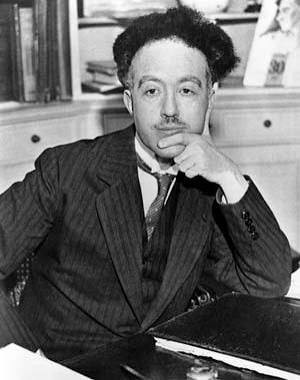
De Broglie explains the circular nature of von Neumann’s proof:
“their existence can be reconciled with von Neumann’s theory. I was therefore led to re-examine the proof of that theory, and I realized that it involved this basic postulate: All the probability distributions assumed by wave mechanics have a physical existence even before any experiment has been performed to introduce one of these distributions… Hence von Neumann’s postulate and conclusions do not apply to them. The purely statistical interpretation assumes the absolute equivalence of all probability distributions, and that is the reason why von Neumann assumed this equivalence as a postulate. But in so doing, he has simply shown that if one assumes a purely statistical basis of interpretation, one can no longer escape from its consequences. Here we have a kind of vicious circle, and von Neumann’s theory now strikes me as not having quite the scope which I attributed to it in the past.”
Louis de Broglie, New Perspectives in Physics, p. 102
Part 3 · How Authority Limits Physical Intuition
Exams, Coercion & Rote Memorization
“Unthinking respect for authority is the greatest enemy of truth.”
Albert Einstein, Letter to Jost Winteler (1901)
A shortcoming of our current physics teaching philosophy is that it does not emphasize “spaces of alternative categorizations”. Students who take graded, timed exams on which they must reproduce known calculations usually do not feel they have the free time for purely creative thinking. This can be understood as an example of the arithmomania mentioned by Pinch, “Authority structures in science are closely related to metaphysical commitments and the particular authority of von Neumann’s proof, I think, lies in the commitment generally in physics to arithmomorphism… the more abstract and arithmomorphic the object the more authority it commands.”
There is no easy way for a typical individual to pass through the gauntlet of physics exams without believing in their legitimacy because, by taking the exams, a person naturally becomes psychologically disposed to view them as legitimate in order to avoid the cognitive dissonance of feeling their time studying is being wasted. This emotional result is not incidental but is, in a certain sense, the primary function of the test. Physics exams do not test ability to do revolutionary work in theoretical physics, but rather an individual’s level of conformity with the ideology of the power structure enforcing the exam. They are tests of compliance; ability is a secondary consideration. The emotional mechanism is one of ritual submission to arbitrary standards. This is bad for the individual as well as the community. There is value in having the skills required to pass physics exams, if that is what a particular physicist is predisposed to and what their specific work demands, but to require all physicists to master an arbitrary standard is irrational. By doing so we are teaching our scientists to not think about physical reality.
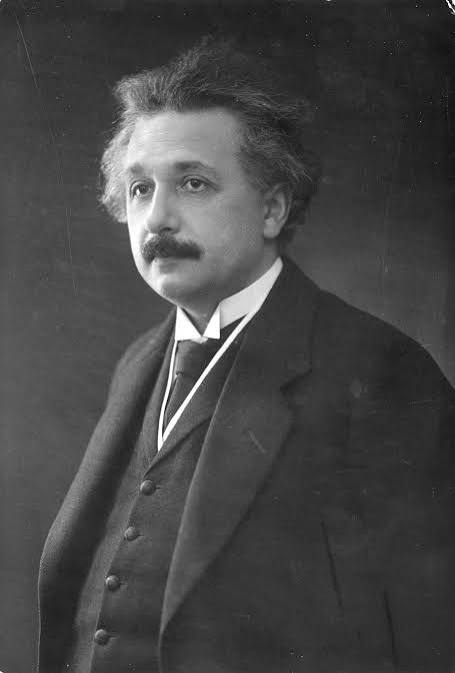
Einstein’s experience in school is an example of this:
“At the age of 12–16 I familiarized myself with the elements of mathematics together with the principles of differential and integral calculus. In doing so I had the good fortune of hitting upon books which were not too particular in their logical rigour, but which made up for this by permitting the main thoughts to stand out clearly and synoptically. This occupation was, on the whole, truly fascinating; climaxes were reached whose impression could easily compete with that of elementary geometry—the basic idea of analytical geometry, the infinite series, the concepts of differential and integral. I also had the good fortune of getting to know the essential results and methods of the entire field of the natural sciences in an excellent popular exposition, which limited itself almost throughout to qualitative aspects (Bernstein’s People’s Books on Natural Science, a work of 5 or 6 volumes), a work which I read with breathless attention. I had also already studied some theoretical physics when, at the age of 17, I entered the Polytechnic Institute of Zürich as a student of mathematics and physics. There I had excellent teachers (for example, Hurwitz, Minkowski), so that I really could have gotten a sound mathematical education. However, I worked most of the time in the physical laboratory, fascinated by the direct contact with experience. The balance of the time I used in the main in order to study at home the works of Kirchhoff, Helmholtz, Hertz, etc. The fact that I neglected mathematics to a certain extent had its cause not merely in my stronger interest in the natural sciences than in mathematics but also in the following strange experience. I saw that mathematics was split up into numerous specialities, each of which could easily absorb the short lifetime granted to us. Consequently I saw myself in the position of Buridan’s ass which was unable to decide upon any specific bundle of hay. This was obviously due to the fact that my intuition was not strong enough in the field of mathematics in order to differentiate clearly the fundamentally important, that which is really basic, from the rest of the more or less dispensable erudition. Beyond this, however, my interest in the knowledge of nature was also unqualifiedly stronger; and it was not clear to me as a student that the approach to a more profound knowledge of the basic principles of physics is tied up with the most intricate mathematical methods. This dawned upon me only gradually after years of independent scientific work. True enough, physics also was divided into separate fields, each of which was capable of devouring a short lifetime of work without having satisfied the hunger for deeper knowledge. The mass of insufficiently connected experimental data was overwhelming here also. In this field, however, I soon learned to scent out that which was able to lead to fundamentals and to turn aside from everything else, from the multitude of things which clutter up the mind and divert it from the essential. The hitch in this was, of course, the fact that one had to cram all this stuff into one’s mind for the examinations, whether one liked it or not. This coercion had such a deterring effect [upon me] that, after I had passed the final examination, I found the consideration of any scientific problems distasteful to me for an entire year. In justice I must add, moreover, that in Switzerland we had to suffer far less under such coercion, which smothers every truly scientific impulse, than is the case in many another locality. There were altogether only two examinations; aside from these, one could just about do as one pleased. This was especially the case if one had a friend, as did I, who attended the lectures regularly and who worked over their content conscientiously. This gave one freedom in the choice of pursuits until a few months before the examination, a freedom which I enjoyed to a great extent and have gladly taken into the bargain the bad conscience connected with it as by far the lesser evil. It is, in fact, nothing short of a miracle that the modern methods of instruction have not yet entirely strangled the holy curiosity of inquiry; for this delicate little plant, aside from stimulation, stands mainly in need of freedom; without this it goes to wreck and ruin without fail. It is a very grave mistake to think that the enjoyment of seeing and searching can be promoted by means of coercion and a sense of duty. To the contrary, I believe that it would be possible to rob even a healthy beast of prey of its voraciousness, if it were possible, with the aid of a whip, to force the beast to devour continuously even when not hungry, especially if the food handed out under such coercion, were to be selected accordingly.—now to the field of physics as it presented itself at the time. In spite of all the fruitfulness in particulars, dogmatic rigidity prevailed in matters of principles.”
Albert Einstein, “Autobiographical Notes,” in Albert Einstein: Philosopher-Scientist, ed. Paul Arthur Schilpp, vol. 1 (Harper & Brothers, 1959), pp. 16–18
David Bohm addresses the same topic as Einstein:
“An extension of Morris’s experiment involved rewarding the chimpanzees for producing their paintings. Very soon their work began to degenerate until they produced the bare minimum that would satisfy the experimenter. A similar behavior can be observed in young children as they become ‘self-conscious’ of the kind of painting they believe they are ‘supposed’ to do. This is generally indicated to them by subtle and implicit rewards, such as praise and approval, and by the need to conform to what other children around them are doing. Thus creativity appears to be incompatible with external and internal rewards or punishments. The reason is clear. In order to do something for a reward, the whole order of the activity, and the energy required for it, are determined by arbitrary requirements that are extraneous to the creative activity itself. This activity then turns into something mechanical and repetitious, or else it mechanically seeks change for its own sake. The state of intense passion and vibrant tension that goes with creative perception in the way discussed in Chapter 1 then dies away. The whole thing becomes boring and uninteresting, so that the kind of energy needed for creative perception and action is lacking. As a result, even greater rewards, or punishments, are needed to keep the activity going… In the case of the painting experiment, this shows up as a false attitude. Both the chimpanzee and the child are engaged in an activity that no longer has meaning in itself, merely in order to experience a pleasant and satisfying state of consciousness, in the form of reward or the avoidance of punishment. This introduces something that is fundamentally false in the generative order of consciousness itself. For example, the continuation of this approach would eventually lead the child to seek pleasing words of praise from others, even if they are not true, and to collude with others in exchanging flattering remarks that lead to mutual satisfaction. This, however, is achieved at the expense of self-deception that can, in the long run, be quite dangerous. What is even of greater danger to the child, in such an approach, is that it eventually brings about violence of various kinds. For creativity is a prime need of a human being and its denial brings about a pervasive state of dissatisfaction and boredom. This leads to intense frustration that is conducive to a search for exciting ‘outlets,’ which can readily involve a degree of force that is destructive. This sort of frustration is indeed a major cause of violence. However, what is even more destructive than such overt violence is that the senses, intellect, and emotions of the child gradually become deadened and the child loses the capacity for free movement of awareness, attention, and thought. In effect, the destructive energy that has been aroused in the mind has been turned against the whole creative potential itself.
Most education does in fact make use, in explicit or in more hidden and subtle ways, of rewards and punishments as key motivating factors. For example, the whole philosophy of behavior modification and positive reinforcement, which is particularly prevalent in North American education, holds that a system of rewards is essential for effective learning. This alone is a tremendous barrier to creativity.
In addition, education has traditionally given great value to fixed knowledge and techniques. In this way it places an extremely great importance on authority as determining the very generative order of the psyche. What is involved is not only the authority of the teacher as a source of knowledge that is never to be questioned, but even more, the general authority of knowledge itself, as a source of truth that should never be doubted. This leads to a fundamental loss of self-confidence, to a blockage of free movement and a corresponding dissipation of energy, deep in the generative order of the whole of consciousness. Later on, all of this may show up as a disposition to be afraid of inquiring into fundamental questions, and to look to experts and ‘geniuses’ whenever any difficulty or basic problem is encountered.
Of course, a certain reasonable kind of authority is needed to maintain necessary order in the classroom. And the student has to realize that, in broad areas, the teacher has valuable knowledge that can be conveyed in an appropriate way. But what is important is the overall attitude to this knowledge. Does it seek to impose itself arbitrarily and mechanically deep within the generative order of the mind, or does it allow itself to be discussed and questioned, with a view to making understanding possible? Similar questions can be raised with regard to conformity to arbitrary norms, which come not only from the teacher, but even more from the peer group and from society at large. Beyond school, society operates in much the same way, for it is based largely on routine work that is motivated by various kinds of fear and by arbitrary pressures to conform as well as by the hope for rewards. Moreover, society generally regards this as necessary and valuable and, in turn, treats creativity as irrelevant for the most part, except in those special cases, such as science and the arts, in which it is rewarded. In fact, no society has thus far managed to organize itself in a complex way without using a system of rewards and punishments as a major inducement to bring about cooperation. It is generally felt that if society tried to do without these, whether in the family, in the classroom, at work, or in broader contexts, it would incur the risk of eventual total disruption and chaos. Creativity is nevertheless a major need of each human being and the blockage of this creativity eventually threatens civilization with ultimate destruction.”
David Bohm and F. David Peat, Science, Order, and Creativity (Routledge, 1987), pp. 230–234
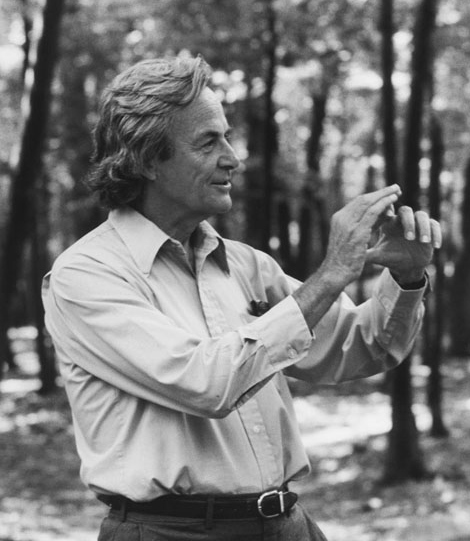
Richard Feynman discusses the same phenomena as Einstein and Bohm:
“After a lot of investigation, I finally figured out that the students had memorized everything, but they didn’t know what anything meant. When they heard ‘light that is reflected from a medium with an index,’ they didn’t know that it meant a material such as water. They didn’t know that the ‘direction of the light’ is the direction in which you see something when you’re looking at it, and so on. Everything was entirely memorized, yet nothing had been translated into meaningful words. So if I asked, ‘What is Brewster’s Angle?’ I’m going into the computer with the right keywords. But if I say, ‘Look at the water,’ nothing happens—they don’t have anything under ‘Look at the water!’ Later I attended a lecture at the engineering school. The lecture went like this, translated into English: ‘Two bodies…are considered equivalent…if equal torques…will produce…equal acceleration. Two bodies, are considered equivalent, if equal torques, will produce equal acceleration.’ The students were all sitting there taking dictation, and when the professor repeated the sentence, they checked it to make sure they wrote it down all right. Then they wrote down the next sentence, and on and on. I was the only one who knew the professor was talking about objects with the same moment of inertia, and it was hard to figure out. I didn’t see how they were going to learn anything from that. Here he was talking about moments of inertia, but there was no discussion about how hard it is to push a door open when you put heavy weights on the outside, compared to when you put them near the hinge—nothing! After the lecture, I talked to a student: ‘You take all those notes—what do you do with them?’ ‘Oh, we study them,’ he says. ‘We’ll have an exam.’ ‘What will the exam be like?’ ‘Very easy. I can tell you now one of the questions.’ He looks at his notebook and says, “‘When are two bodies equivalent?’ And the answer is, ‘Two bodies are considered equivalent if equal torques will produce equal acceleration.’” So, you see, they could pass the examinations, and ‘learn’ all this stuff, and not know anything at all, except what they had memorized. Then I went to an entrance exam for students coming into the engineering school. It was an oral exam, and I was allowed to listen to it. One of the students was absolutely super: He answered everything nifty! The examiners asked him what diamagnetism was, and he answered it perfectly. Then they asked, ‘When light comes at an angle through a sheet of material with a certain thickness, and a certain index N, what happens to the light?’ ‘It comes out parallel to itself, sir—displaced.’ ‘And how much is it displaced?’ ‘I don’t know, sir, but I can figure it out.’ So he figured it out. He was very good. But I had, by this time, my suspicions. After the exam I went up to this bright young man, and explained to him that I was from the United States, and that I wanted to ask him some questions that would not affect the result of his examination in any way. The first question I ask is, ‘Can you give me some example of a diamagnetic substance?’ ‘No.’ Then I asked, ‘If this book was made of glass, and I was looking at something on the table through it, what would happen to the image if I tilted the glass?’ ‘It would be deflected, sir, by twice the angle that you’ve turned the book.’ I said, ‘You haven’t got it mixed up with a mirror, have you?’ ‘No, sir!’ He had just told me in the examination that the light would be displaced, parallel to itself, and therefore the image would move over to one side, but would not be turned by any angle. He had even figured out how much it would be displaced, but he didn’t realize that a piece of glass is a material with an index, and that his calculation had applied to my question. I taught a course at the engineering school on mathematical methods in physics, in which I tried to show how to solve problems by trial and error. It’s something that people don’t usually learn, so I began with some simple examples of arithmetic to illustrate the method. I was surprised that only about eight out of the eighty or so students turned in the first assignment. So I gave a strong lecture about having to actually try it, not just sit back and watch me do it. After the lecture some students came up to me in a little delegation, and told me that I didn’t understand the backgrounds that they have, that they can study without doing the problems, that they have already learned arithmetic, and that this stuff was beneath them. So I kept going with the class, and no matter how complicated or obviously advanced the work was becoming, they were never handing a damn thing in. Of course I realized what it was: They couldn’t do it! One other thing I could never get them to do was to ask questions. Finally, a student explained it to me: “If I ask you a question during the lecture, afterwards everybody will be telling me, ‘What are you wasting our time for in the class? We’re trying to learn something. And you’re stopping him by asking a question.’” It was a kind of one-upmanship, where nobody knows what’s going on, and they’d put the other one down as if they did know. They all fake that they know, and if one student admits for a moment that something is confusing by asking a question, the others take a high-handed attitude, acting as if it’s not confusing at all, telling him that he’s wasting their time. I explained how useful it was to work together, to discuss the questions, to talk it over, but they wouldn’t do that either, because they would be losing face if they had to ask someone else. It was pitiful! All the work they did, intelligent people, but they got themselves into this funny state of mind, this strange kind of self-propagating ‘education’ which is meaningless, utterly meaningless!… I stuck my finger in, and I started to read: ‘Triboluminescence. Triboluminescence is the light emitted when crystals are crushed…’ I said, ‘And there, have you got science? No! You have only told what a word means in terms of other words. You haven’t told anything about nature—what crystals produce light when you crush them, why they produce light. Did you see any student go home and try it? He can’t. But if, instead, you were to write, “When you take a lump of sugar and crush it with a pair of pliers in the dark, you can see a bluish flash. Some other crystals do that too. Nobody knows why. The phenomenon is called ‘triboluminescence.’” Then someone will go home and try it. Then there’s an experience of nature.’ I used that example to show them, but it didn’t make any difference where I would have put my finger in the book; it was like that everywhere. Finally, I said that I couldn’t see how anyone could be educated by this self-propagating system in which people pass exams, and teach others to pass exams, but nobody knows anything. ‘However,’ I said, ‘I must be wrong. There were two students in my class who did very well, and one of the physicists I know was educated entirely in Brazil. Thus, it must be possible for some people to work their way through the system, bad as it is.’ Well, after I gave the talk, the head of the science education department got up and said, ‘Mr. Feynman has told us some things that are very hard for us to hear, but it appears to be that he really loves science, and is sincere in his criticism. Therefore, I think we should listen to him. I came here knowing we have some sickness in our system of education; what I have learned is that we have a cancer!’”
Richard P. Feynman (1985), “Surely You’re Joking, Mr. Feynman!”: Adventures of a Curious Character (W. W. Norton & Company), pp. 194–199
Part 4 · How Authority Limits Physical Intuition
Ritual, Hierarchy & the Denial of Reality
Oppenheimer explains that this rote memorization discussed by Einstein, Bohm and Feynman is not restricted to basic physics but rather is a problem even in our most fundamental subject—quantum mechanics:
“When quantum theory was first taught in the universities and institutes, it was taught by those who had participated, or had been engaged spectators, in its discovery. Some of the excitement and wonder of the discoverer was in their teaching; now, after two or three decades, it is taught not by the creators but by those who have learned from others who have learned from those creators…. It is taught not as history, not as a great adventure in human understanding, but as a piece of knowledge, as a set of techniques, as a scientific discipline to be used by the student in understanding and exploring new phenomena in the vast work of the advance of science…. It has become … an instrument of the scientist to be taken for granted by him, to be used by him, to be taught as a mode of action, as we teach our children to spell and to add.”
J. Robert Oppenheimer (1953), quoted in S. S. Schweber (1994), QED and the Men Who Made It: Dyson, Feynman, Schwinger, and Tomonaga (Princeton University Press), p. 203
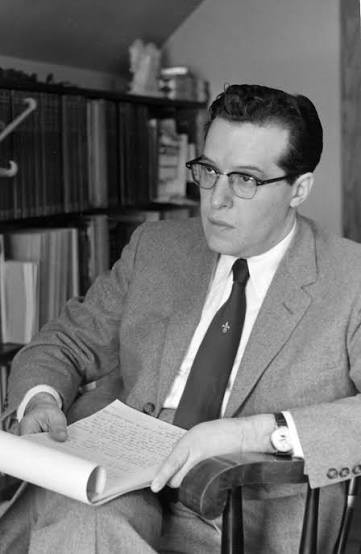
And this teaching by memorization goes even beyond quantum mechanics, to the graduate study of quantum field theory. The following account of Julian Schwinger’s graduate lectures is an instance of what Oppenheimer is describing, but it also shows something deeper. That the act of memorization is not just an inefficient form of pedagogy, but a subtle form of emotional submission to an established hierarchy. This is made evident by the use of the word “ritual” and the phrase “sacrificial overtones” in the following:
“Bryce DeWitt, who was an undergraduate at Harvard from 1939 to 1943 and returned to Harvard in 1946 for his graduate studies in physics after serving in the navy as a pilot, has recorded his reminiscences of Schwinger’s lectures: ‘Of course, it was all very elegant and formal and on a number of occasions I remember throwing down my pencil in disgust and saying: “the s.o.b. has done it again.” What I meant was [that] he made something sound very plausible, but behind it were many deep unanswered questions or at least questions that if you looked at it carefully ought to have been addressed. Schwinger was not addressing them and was merely being guided by a kind of intuition led by the formalism itself. That is, the formalism would take a life of its own and just lead you even though it might not be completely legitimate to do so. . . . It was always a challenge to try to fill in the gaps in Schwinger’s lectures’… Roger Newton, who obtained his Ph.D. with Schwinger in 1954, writes: ‘We all took it for granted that we were on top of the world, that is that QED was the most important thing in physics at the time and Schwinger was its king. I admired his lecturing style enormously and rarely noticed that its polished elegance made some rather questionable points more persuasive than was really justified…’ Paul Martin put it this way: ‘During the late 1940’s and the early 1950’s Harvard was the home of a school of physics with a special outlook and a distinctive set of rituals. Somewhat before noon three times each week, the master would arrive in his blue chariot and in forceful and beautiful lectures, reveal profound truths to his Cantabridgian followers, Harvard and M.I.T. students and faculty. Cast in a language more powerful and general than any of his listeners had ever encountered, these ceremonial gatherings had some sacrificial overtones—interruptions were discouraged and since the [sermons] lasted past the lunch hours, fasting was often required. Following a mid-afternoon break, private audiences with the master were permitted and, in uncertain anticipation, students would gather in long lines to seek counsel.’… It appeared to his colleagues at Harvard and MIT that after Schwinger got married in 1947 his interactions with other physicists were reduced somewhat: his social needs were evidently being satisfied at home and with a circle of friends outside the physics community. The awe in which he was held by that community, particularly after Shelter Island and his successes with QED, created further barriers. Rabi thought that the community treated him ‘like a god.’ All these factors combined to conspire to isolate him. And so a tragedy ensued. His need to do things his own way made him develop his own language, his own approaches and techniques. His need to prove constantly to himself that he could do it by himself resulted at times in his not acknowledging the works of others—for indeed, he had done it by himself and in his own way. This in turn led to resentment by the community which pounced on him when he was vulnerable.”
S. S. Schweber (1994), QED and the Men Who Made It: Dyson, Feynman, Schwinger, and Tomonaga (Princeton University Press), p. 369
Schwinger was assumed to have godlike power because of his command of an abstract system of logic. (Let’s recall what Pinch said about this: “the more abstract and arithmomorphic the object the more authority it commands.”) We saw earlier that Einstein was seen as an “old fool” when his views became inconvenient to the political establishment of the Copenhagen interpretation. Here we see a similar pattern play out with Schwinger, whom the community also turned against.
Bohm explains the implications of this state of affairs on progress in physics:
“In the previous chapter it was shown how a person can become limited by an overall ‘infrastructure of ideas’ which is held too rigidly and almost unconsciously. But now the danger arises that this structure of ideas not only applies at the individual level but is held by the scientific community as a whole, so that it eventually begins to limit creative acts of perception. It is therefore necessary to make a careful examination of the way communication takes place between scientists. This includes not only individual scientists themselves but the institutions in which research is carried out, and the general attitudes that are fostered and encouraged within the scientific community. Indeed this analysis of communication must be ultimately extended to the whole structure of human relationships themselves. For example, fear and mistrust may be engendered by rigid lines of authority, lack of job security, and concern over status and competition. All these factors conspire to starve that sense of mutual confidence, goodwill, and friendship that is so necessary for the free play and open exchange of ideas. If science is to engage in a creative new surge, then all this must clearly change. Within this book it is suggested that scientists could engage in a kind of free play of thought that is not restricted by unconsciously determined social pressures and the limitations inherent in particular paradigms.”
David Bohm and F. David Peat, Science, Order, and Creativity (Routledge, 1987), p. 68
The consequences for progress in physics of an “overall ‘infrastructure of ideas’ which is held too rigidly and almost unconsciously” discussed by Bohm in the previous quote is explained by Yukawa:
“The present age is marked by an extraordinarily large number of scientists. The number of those alive at present probably far exceeds the number of those who have lived and died during the period from ancient times to the present. If the chances of a given individual manifesting creativity were governed by the same laws of probability as the casting of a dice, the present age should have produced far more great discoveries and great inventions than it in fact has. Why, then, does the reality seem to be otherwise?… It seems unlikely that modern man is inferior to ancient man. Modern man has many advantages over his predecessor. If, despite this, few people display creativity, it means that the mental attitudes of those of us who are alive today are wrong. Mental attitudes, if not everything, are at least one important element—I myself would say the most important of all… At the same time the very fact of arranging, whoever has been responsible, implies the existence of some method or framework. Even when a person does the arrangement himself, so long as he thinks of things within a fixed framework there is no creativity. All major creation begins with getting outside the framework, or changing the framework itself. The important thing if one is to achieve creativity, I feel, is to keep plugging away at one thing despite all the miscellaneous tasks and the superfluity of information with which everyday life seeks to claim one’s attention. What is needed, in other words, is tenacity of purpose. Physicists who show creativity usually work with extraordinary—almost unnecessary, one might think—tenacity at a particular subject. This might seem to contradict what I have just said concerning the need to break down fixed concepts, and it is an extremely tricky point, yet the fact is that most of them have some ideal, image, or vision, which they cling to with unusual pertinacity. I, for one, have my own particular subject; in the years since I first took up physics, there have been many changes and much development, yet essentially I have been concerned with the same thing throughout. The question is, to what one should attach oneself in this way? Subjectively speaking, anything should do equally well, from pinball games to scholarship. Yet objectively viewed, it is more meaningful to devote oneself to something as difficult of attainment as possible. One may suffer one’s whole life as a result, but it is well worthwhile… To put it differently, one has some place that is dark, or obscure, or vague, or puzzling within oneself, and one tries to find some light in it. Then, when one has found a ray of light, one tries to enlarge it little by little so that the darkness is gradually dispelled. This, I feel, is the typical process whereby creativity shows itself… Another thing is that men copy each other. It is unconscious copying of those about us that helps us grow into adults. We are obliged to copy in all kinds of ways, otherwise social life becomes difficult for us. This type of imitation is the precise opposite of creativity.”
Hideki Yukawa (1973), Creativity and Intuition: A Physicist Looks at East and West (J. Bester, Trans.), Kodansha International, pp. 128–129, 131–132
Yukawa continues:
“One regrettable trend in theoretical physics over the last three decades has been to treat the various problems only within a preconceived framework. Recapitulating briefly, the first thirty years or so of this century can be said to have been characterized by bold new ideas. The transition from atomic physics to nuclear physics and the realm of the elementary particles began in the thirties. Concerning the present state of progress in elementary particle physics, my own personal view is that it ought not to have stagnated for quite this long. The number of research workers has increased, and among them are men of great ability. The fault surely lies in an excessive conservatism in the realm of ideas, retaining the same preconceptions and pursuing the same lines of development—an unfortunate and inefficient process. Even while keeping to one particular line of development the objective will rarely be attained without some radical leap forward along the way. I myself may have been a little too hasty when I made that fateful leap long ago. It may have been foolhardy for a man of middle age like myself to go so far beyond the accepted bounds, but young people are supposed to have a spirit of adventure. I do hope that some really bold new ideas will come out sooner or later from among young physicists.”
Hideki Yukawa (1973), Creativity and Intuition: A Physicist Looks at East and West (J. Bester, Trans.), Kodansha International, pp. 183–184
Physics is the study of reality. To forbid a physicist from asking about it is to forbid progress in physics and, despite success in particular applications, we have indeed made little fundamental progress since the 1920s because of anti-reality authorities.
Murphy: “If you say that the scientist is sent to secure mathematical knowledge and his mental construct, then you will quickly be quoted in support of the subjective idealism… of course it would be an unjustifiable conclusion…”
Einstein: “No physicists believe that. Otherwise he wouldn’t be a physicist… Why should anybody go to the trouble of gazing at the stars if he did not believe that the stars were really there? Here I am entirely at one with Planck. We cannot logically prove the existence of the external world, anymore than you can logically prove that I am talking with you now or that I am here. But you know that I am here and no subjective ideas can persuade you to the contrary.”
Max Planck, Where Is Science Going?, pp. 212–213
Yukawa explains that keeping physical reality in mind is essential for progress in physics:
“As I pointed out earlier, the present age, seen in terms of the creativity question, is extremely badly off; the display of creativity occurs infrequently when compared to the number of scientists. One reason here, I feel, is that everybody has become too ‘digital.’
Unlike mathematics, physics needs to maintain its connections with the actual world in which we live, yet in practice it has become divorced from actual things and preoccupied solely with abstracted theories, experimental data, and the like. The only checking of the facts that is done in practice is to collate experimental data given in numbers and, on the theoretical side, the results of calculating from highly abstract formulae; if the figures on both sides match, people congratulate themselves and that is the end of the matter. I ask myself just what scientists think they are up to. How can the majority of them be content with such an empty repetition?”
Hideki Yukawa (1973), Creativity and Intuition: A Physicist Looks at East and West (J. Bester, Trans.), Kodansha International, p. 137